
ISSUE
25
November 2024
All Center News
Comprehensive Behavioral Health Center of St. Clair County Inc.
505 South Eighth Street • East St. Louis, IL 62201

This newsletter’s purpose is to share information about The Center’s people and activities in each department and by each employee, in order to highlight the contributions made by all in helping The Center reach its goals.
The Center’s Internet address is: cbhc1.org
You can also check us out on Facebook.
Front Desk
(618) 482-7330
Hours of Operation
8:00am – 5:00pm
Closed for the Holidays
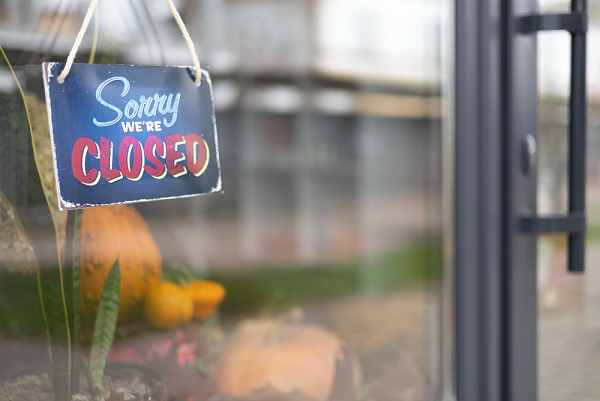
With so many holidays coming up in November and December, it’s time to share some information on policies for the holidays.
All full-time employees are eligible for holiday pay
Remember that some of our programs have minimum staffing levels 24 hours a day, 365 days per year. Please get your time off requests in to your supervisor early to allow them to make sure there is enough coverage while you’re out. Your supervisor will do everything possible to honor time off requests, but requests could be denied if it would lead to unsafe staffing levels.
Non 24/7 programs will close for the following days:
Veterans’ Day – November 11
Thanksgiving – November 28
Thanksgiving Friday – November 29
Christmas Eve – December 24
Christmas Day – December 25
New Year’s Day – January 1
Team members that are off for one of these holidays will be paid for the number of hours they normally work.
What happens if you’re in a 24/7 program?
If you work on one of these days, you will be paid both for the time you work, and for the number of hours you would normally work on that holiday. If you normally work an 8 hour shift and you work 8 hours on Thanksgiving Friday, you will be paid for the 8 hours you work and also receive 8 hours of holiday pay. The end result in this example would be working 8 hours but being paid for 16 hours.
Want to pick up some extra pay over the holidays? Let your supervisor know. As many people will have travel or plans with friends and family, your supervisor would love to know if you would like to volunteer to work on one or more of these holidays.
All employees MUST work their shifts before and after the holiday to receive holiday pay. If you call off or do not show for your shift before or after the holiday, you will not receive holiday pay.
It’s Time for Open Enrollment…

Full time employees of The Center are eligible for insurance! Often this insurance can be had for little to no cost to you, but you have to enroll.
Did you know? If you have Medicare our insurance program can pay for your premiums, including Medicare supplements.
If you’ve never had insurance through The Center before, Open Enrollment is the only time that you can enroll or make changes to your plan. Every employee should meet with Kyra or Jordan between November 20 and December 6 to make your selections, even if you do not plan to enroll in health insurance.
During this appointment, we will also discuss your life insurance, retirement plan, and dental and vision plans.
Please schedule an appointment between November 20 and December 6. You can schedule a meeting by clicking this link: https://outlook.office365.com/owa/calendar/CBHC2025OpenEnrollment@cbhc1.org/bookings/
November’s Team Member of the Month

Darren came to CBHC on October 30, 2023. As soon as he arrived, he showed a passion for helping people that far exceeds the boundaries of his position. He is the Supportive Housing Inspector, but he has acted in any role needed to ensure the success of the Department. He has professional goals for himself and if he does not exceed them, he continues to stay in constant competition with himself. That is a quality, I have not witnessed in a very long time. He wants the best for our clients and does not put them in a home that he would not live in himself. He is the largest asset of our department and he deserves to be Employee of the Month.
November’s Birthdays

Wishing a BIG happy birthday to all of those in the CBHC family!
| Keith Kuhn November 2 |
Alicia Mitchom November 4 |
Nkiru Lewis November 4 |
| Courtney Haynes November 4 |
Gia Moore November 5 |
Charles Doram November 6 |
| Mark Hagene November 8 |
Hayden Ellis November 8 |
Linda Rattler November 9 |
| Tera Wilkes November 10 |
Darren Burress November 12 |
Danielle Pierson November 13 |
| Davanieah Burrows November 14 |
Kelly Clemons November 16 |
Amelia Jumper November 20 |
| Jennifer Ross November 21 |
Tom Jenkins November 21 |
Louise Smith November 22 |
| Sarah Gilkey November 22 |
Joseph Harper November 25 |
Mariah Ball November 27 |
Who’s New

| Willette Adams Therapeutic Aide |
Erica Brooks Night Manager |
Kierra Crawford Therapeutic Aide |
| Sierra Hopson Housing Coordinator |
Ricky Burks Therapeutic Aide |
The ACT Team

Nathan “Nate” Beyer (Certified Peer Support Specialist), Antonette Green (ACT Team Leader), Susan Hardin (Registered Nurse), and Stephenie Taylor (Administrative Assistant).
If you’ve walked by a set of windows on the second floor and noticed cubicles and people instead of unused childcare supplies, you may be aware that something is changing. This is the temporary home of our new Assertive Community Treatment (ACT) team.
What is an ACT team?
Assertive Community Treatment is an interdisciplinary approach to client care for clients who have challenges that are hard to meet through normal outpatient therapy. The ACT team has its own nurse, QMHP, MHP, case managers, and peer support or recovery specialists. The team meets at least 4 times per week to discuss clients’ interdisciplinary needs.
For clients that have trouble following up with their appointments, ACT goes to the client at least 75% of the time, and someone on the team will be in contact with that client at least 3 times per week. It’s important to know that ACT clients need preapproval, and the ACT team will take care of all of their behavioral health needs.
A client might be a good candidate if they exhibit multiple complicating factors such as: medication resistance, repeated use of detox or emergency services, inappropriate public behaviors, history of poor follow-up, or others.
If you have a client that needs a higher level of care be on the lookout for more info as we continue to staff up our ACT program and reach out to Antonette Green!
The Psychological Benefits of Gratitude

Gratitude is more than just a polite habit; it is a powerful mental health tool. Studies show that regularly practicing gratitude can enhance well-being, improve relationships, and foster a positive mindset. Here’s how gratitude positively impacts our psychological health and why it’s worth incorporating into daily life.
Reduces Stress and Anxiety
Lower Cortisol Levels: Practicing gratitude can reduce levels of cortisol, the body’s stress hormone, resulting in lower stress and improved emotional balance.
Enhanced Emotional Resilience: Focusing on things we are thankful for helps us build resilience, making it easier to handle life’s challenges and uncertainties.
Reduced Worry: Expressing gratitude shifts our focus away from anxieties, redirecting attention to positive aspects of life, which can diminish feelings of fear and worry.
Improves Mood and Happiness
Increased Dopamine and Serotonin: Gratitude activates regions of the brain associated with dopamine and serotonin, often called the “feel-good” chemicals, which naturally boost happiness.
Enhances Life Satisfaction: When people acknowledge what they are grateful for, they tend to feel more satisfied and fulfilled with their lives, regardless of external circumstances.
Promotes Positive Thinking: Gratitude fosters a positive mental outlook, which can lead to improved self-esteem, optimism, and emotional well-being.
Strengthens Relationships
Increases Empathy: Being grateful helps us recognize and appreciate the people who support and care for us, which increases our empathy toward others.
Builds Trust: Expressing gratitude can strengthen bonds and enhance trust, as it shows appreciation for others’ contributions to our lives.
Reduces Loneliness: Practicing gratitude often leads to actions that connect us with others, reducing feelings of isolation and loneliness.
Enhances Physical Health
Improved Sleep Quality: Grateful people report better sleep quality, as gratitude lowers intrusive thoughts and rumination, promoting relaxation and sleep.
Stronger Immune System: Studies suggest that gratitude may boost the immune system, reducing susceptibility to illness and improving overall health.
Increased Energy Levels: People who practice gratitude tend to feel more energized, likely due to improved mood and a sense of well-being.
Promotes Self-Control and Patience
Better Decision-Making: People who practice gratitude tend to be more mindful, which can lead to more thoughtful and healthier choices.
Enhanced Patience: Grateful individuals are more likely to be patient, as they learn to value and appreciate what they already have rather than seeking instant gratification.
Increased Resilience: Gratitude enhances emotional self-control and resilience, helping people stay focused and calm in challenging situations.
Encourages Personal Growth and Motivation
Boosts Goal Achievement: Feeling thankful for progress no matter how small, motivates individuals to keep moving toward their goals. Promotes a Growth Mindset: Gratitude helps individuals see mistakes or setbacks as opportunities for growth, as they learn to appreciate lessons from life experiences. Encourages Lifelong Learning: Gratitude fosters an open mindset, encouraging curiosity and a willingness to learn and improve.
How to Cultivate Gratitude Incorporating gratitude into daily life can be simple and effective: Keep a Gratitude Journal: Write down three things you’re grateful for each day. Practice Mindful Appreciation: Take a moment to appreciate small things like a sunny day, a good meal, or a kind gesture. Express Gratitude to Others: Tell friends, family, or colleagues why you’re grateful for them, which can strengthen your relationships and improve your mood.
Gratitude is a powerful tool that enhances our mental and emotional well-being. By making gratitude a daily habit, we can cultivate a positive outlook, build stronger relationships, and foster greater resilience and happiness.
I Am Thankful For…

The top 20 list of what CBHC employees are thankful for this Thanksgiving season:
- I am thankful for the opportunity to meet and support the people from this community through Comprehensive.
- I am thankful to be able to serve children and families who need our help in so many facets of their lives.
- I am thankful for the organization working together as a team to help the most vulnerable.
- I am thankful for the opportunity to grow within the agency.
- I am thankful for the secured employment opportunity.
- I am thankful for the organization’s recognition in highlighting staff and services.
- I am thankful for the greatest management team ever!
- I am thankful for another day of life to spend with my family and a job that allows me to be a significant provider.
- I am thankful to have a job that makes a difference in other people’s lives and the lives of their families.
- I am thankful for my three beautiful daughters. My two older daughters married two wonderful men and they each gave me two beautiful granddaughters.
- I am thankful for my family being healthy and my parents still living.
- I am thankful for a job I enjoy and co-workers I like, and we all get along well.
- We are thankful for the amazing team members and staff we have.
- I am thankful for the kitchen crew who keep us fed.
- I am thankful that my kids are healthy, and my wife loves her new job.
- I am grateful for my parents and the full circle of love and support to pursue my goals and dare to dream big.
- I am grateful for the City of Champions: East St. Louis for so many hidden gems in the city and positive people. We just need to believe in ourselves.
- I am grateful for new friendships and new opportunities to serve our youth and make meaningful impacts in our community and beyond.
- I am thankful to every one of our clients because without them, we would not be here!
- I am thankful for: great coworkers, a job is more than a paycheck. Having great coworkers is one of the things which make it that way.
Sounds like we are all very blessed and grateful at Comprehensive Behavioral Health Center! Have an amazing Thanksgiving with your loved ones and enjoy your time together!
Seasonal Affective Disorder or SAD

• Are you feeling sad or down most of the day, nearly every day?
• Not interested in things you once loved?
• Having difficulty concentrating or focusing?
• Feeling hopeless or guilty?
• Having thoughts of wanting to harm yourself?
• Struggling to get going or less motivated on these gloomy days of winter?
• Noticing that you’re sleeping more this time of year or are extra tired right now?
• Overeating or craving carbs?
• Feeling moody during these winter months?
If you answered yes to these questions, you might be suffering from Seasonal Affective Disorder or commonly known as SAD. This type of depression occurs at the same time every year and stops with the warmer seasons. Most people start noticing their symptoms at the beginning of Fall and continue into the winter months.
Take signs and symptoms of seasonal affective disorder seriously. As with other types of depression, SAD can get worse and lead to problems if it’s not treated. These can include:
• Social withdrawal
• School or work problems
• Substance abuse
• Other mental health disorders such as anxiety or eating disorders
• Suicidal thoughts or behavior
Prevention through proper self-care
• Physical- Eating a healthy diet, exercising regularly, and following a regular sleep routine.
• Emotional- Focusing on the positive in your life! Find 3 things everyday that you are thankful for and remind yourself of these things daily.
• Social- Keep connecting with others! Continue to call, face time, text, meet for lunch with friends and family.
• Environmental- Being outdoors with nature. Take the time to take a walk, go on a hike, or a choose a winter sport.
• Light therapy- Invest in a light therapy box to help mimic natural outdoor light and appear to cause a change in brain chemicals linked to mood.
• Psychotherapy- Meet with a trained counselor to talk about your moods and stress of this time of year.
Pet Connection

Meet Hammerhead (Goldfish) won by Kimberley Fickinger’s son, Bentley at the Millstadt Homecoming in September. We recently had to put down Liberty, our 2-year-old Pitbull, so my son wanted a new pet. Mom and dad were accepting of the new, easy to take care of, addition to the household!
A Totally Tasty Roast Turkey Recipe

Thanksgiving is one of my favorite holidays, largely because it contains so many of my favorite foods. In my book, the single best food on the face of the earth is a whole roasted turkey. I’ve been known to make a whole bird for 2-4 people just to have leftovers.
For the last few years, I’ve been making this turkey recipe that comes from Alton Brown’s turkey recipe from the Food Network show Good Eats. This recipe gives delicious crunchy skin and perfectly cooked dark and white meat that isn’t dry. If you’re feeling stuck in a turkey rut, give this a try!
1. Defrost your turkey 2-3 days in advance by taking it out of the fridge and putting it in a fridge or cooler. I always err toward making sure that my turkey is fully defrosted, usually putting the turkey in the fridge on Monday night. When defrosted, remove any organs or giblets from the cavity.
2. This step is optional, but will add extra flavor. On Wednesday night, brine the turkey. Put 1 gallon vegetable broth, 1 cup of salt, ½ cup brown sugar, 1 tablespoon black peppercorns, 1 ½ teaspoons of while allspice, and 1 ½ teaspoons chopped candied ginger. Bring this up to a boil in a stock pot and stir until all sugar and salt is dissolved. Let the mixture cool. Place your turkey in a 5 gallon cooler (or I use a food safe bucket in the fridge). Pour the mixture over the turkey then add ice and water until the turkey is fully covered. Let sit in a cool place.
3. On Thanksgiving morning, set the oven to 500 degrees. Remove the turkey from the brine and rinse it with cold water. Place the turkey on a rack in a roasting pan breast-up then pat it dry with paper towels.
4. Place 1 red apple, quartered, ½ an onion quartered, 1 cup of water, 4 sprigs of fresh rosemary, 6 leaves of fresh sage, and a cinnamon stick in a microwave safe container and microwave on high for 5 minutes. Using tongs remove these items from the water and place them inside the cavity of the bird.
5. Brush the entire bird in canola oil and place on the bottom rack of the oven to crisp the skin.
6. After 30 minutes, take a large square of heavy-duty aluminum foil and fold it into a triangle. Brush one side with oil. Open the oven, and place a probe thermometer into the thickest part of the turkey breast. Cover the breast with the triangle of foil and put the turkey in the over at 350 degrees
7. Cook until the thermometer reads 155 degrees, remove the turkey from the oven. Let it rest in the roasting pan covered with foil for at least 15 minutes then carve.
Crossword Puzzle
The first person who submits the most correct answers to the front desk or newsletter@cbhc1.org will receive a ticket for a free lunch. Hard copies are available at the front desk.


Halloween Costumes
This year, our sensational center staff and their friends and neighbors wore creative, killer, and spooktacular Halloween costumes. Here are just a few they shared with us.


Get in the News
Each month’s newsletter can be found at: Cbhc1.org/Newsletter.
Questions, comments, or content suggestions can be sent to: Newsletter@Cbhc1.org.
Important Dates
The cutoff for newsletter content suggestions is the last weekday of the previous month.
ISSUE
25
November 2024
All Center News
Comprehensive Behavioral Health Center of St. Clair County Inc.
505 South Eighth Street • East St. Louis, IL 62201
This newsletter’s purpose is to share information about The Center’s people and activities in each department and by each employee, in order to highlight the contributions made by all in helping The Center reach its goals.
The Center’s Internet address is: cbhc1.org
You can also check us out on Facebook.
Front Desk
(618) 482-7330
Hours of Operation
8:00am – 5:00pm
Closed for the Holidays
With so many holidays coming up in November and December, it’s time to share some information on policies for the holidays.
All full-time employees are eligible for holiday pay
Remember that some of our programs have minimum staffing levels 24 hours a day, 365 days per year. Please get your time off requests in to your supervisor early to allow them to make sure there is enough coverage while you’re out. Your supervisor will do everything possible to honor time off requests, but requests could be denied if it would lead to unsafe staffing levels.
Non 24/7 programs will close for the following days:
Veterans’ Day – November 11
Thanksgiving – November 28
Thanksgiving Friday – November 29
Christmas Eve – December 24
Christmas Day – December 25
New Year’s Day – January 1
Team members that are off for one of these holidays will be paid for the number of hours they normally work.
What happens if you’re in a 24/7 program?
If you work on one of these days, you will be paid both for the time you work, and for the number of hours you would normally work on that holiday. If you normally work an 8 hour shift and you work 8 hours on Thanksgiving Friday, you will be paid for the 8 hours you work and also receive 8 hours of holiday pay. The end result in this example would be working 8 hours but being paid for 16 hours.
Want to pick up some extra pay over the holidays? Let your supervisor know. As many people will have travel or plans with friends and family, your supervisor would love to know if you would like to volunteer to work on one or more of these holidays.
All employees MUST work their shifts before and after the holiday to receive holiday pay. If you call off or do not show for your shift before or after the holiday, you will not receive holiday pay.
It’s Time for Open Enrollment…
Full time employees of The Center are eligible for insurance! Often this insurance can be had for little to no cost to you, but you have to enroll.
Did you know? If you have Medicare our insurance program can pay for your premiums, including Medicare supplements.
If you’ve never had insurance through The Center before, Open Enrollment is the only time that you can enroll or make changes to your plan. Every employee should meet with Kyra or Jordan between November 20 and December 6 to make your selections, even if you do not plan to enroll in health insurance.
During this appointment, we will also discuss your life insurance, retirement plan, and dental and vision plans.
Please schedule an appointment between November 20 and December 6. You can schedule a meeting by clicking this link: https://outlook.office365.com/owa/calendar/CBHC2025OpenEnrollment@cbhc1.org/bookings/
November’s Team Member of the Month
Darren came to CBHC on October 30, 2023. As soon as he arrived, he showed a passion for helping people that far exceeds the boundaries of his position. He is the Supportive Housing Inspector, but he has acted in any role needed to ensure the success of the Department. He has professional goals for himself and if he does not exceed them, he continues to stay in constant competition with himself. That is a quality, I have not witnessed in a very long time. He wants the best for our clients and does not put them in a home that he would not live in himself. He is the largest asset of our department and he deserves to be Employee of the Month.
November’s Birthdays
Wishing a BIG happy birthday to all of those in the CBHC family!
| Keith Kuhn November 2 |
Alicia Mitchom November 4 |
Nkiru Lewis November 4 |
| Courtney Haynes November 4 |
Gia Moore November 5 |
Charles Doram November 6 |
| Mark Hagene November 8 |
Hayden Ellis November 8 |
Linda Rattler November 9 |
| Tera Wilkes November 10 |
Darren Burress November 12 |
Danielle Pierson November 13 |
| Davanieah Burrows November 14 |
Kelly Clemons November 16 |
Amelia Jumper November 20 |
| Jennifer Ross November 21 |
Tom Jenkins November 21 |
Louise Smith November 22 |
| Sarah Gilkey November 22 |
Joseph Harper November 25 |
Mariah Ball November 27 |
Who’s New
| Willette Adams Therapeutic Aide |
Erica Brooks Night Manager |
Kierra Crawford Therapeutic Aide |
| Sierra Hopson Housing Coordinator |
Ricky Burks Therapeutic Aide |
The ACT Team
Nathan “Nate” Beyer (Certified Peer Support Specialist), Antonette Green (ACT Team Leader), Susan Hardin (Registered Nurse), and Stephenie Taylor (Administrative Assistant).
If you’ve walked by a set of windows on the second floor and noticed cubicles and people instead of unused childcare supplies, you may be aware that something is changing. This is the temporary home of our new Assertive Community Treatment (ACT) team.
What is an ACT team?
Assertive Community Treatment is an interdisciplinary approach to client care for clients who have challenges that are hard to meet through normal outpatient therapy. The ACT team has its own nurse, QMHP, MHP, case managers, and peer support or recovery specialists. The team meets at least 4 times per week to discuss clients’ interdisciplinary needs.
For clients that have trouble following up with their appointments, ACT goes to the client at least 75% of the time, and someone on the team will be in contact with that client at least 3 times per week. It’s important to know that ACT clients need preapproval, and the ACT team will take care of all of their behavioral health needs.
A client might be a good candidate if they exhibit multiple complicating factors such as: medication resistance, repeated use of detox or emergency services, inappropriate public behaviors, history of poor follow-up, or others.
If you have a client that needs a higher level of care be on the lookout for more info as we continue to staff up our ACT program and reach out to Antonette Green!
The Psychological Benefits of Gratitude
Gratitude is more than just a polite habit; it is a powerful mental health tool. Studies show that regularly practicing gratitude can enhance well-being, improve relationships, and foster a positive mindset. Here’s how gratitude positively impacts our psychological health and why it’s worth incorporating into daily life.
Reduces Stress and Anxiety
Lower Cortisol Levels: Practicing gratitude can reduce levels of cortisol, the body’s stress hormone, resulting in lower stress and improved emotional balance.
Enhanced Emotional Resilience: Focusing on things we are thankful for helps us build resilience, making it easier to handle life’s challenges and uncertainties.
Reduced Worry: Expressing gratitude shifts our focus away from anxieties, redirecting attention to positive aspects of life, which can diminish feelings of fear and worry.
Improves Mood and Happiness
Increased Dopamine and Serotonin: Gratitude activates regions of the brain associated with dopamine and serotonin, often called the “feel-good” chemicals, which naturally boost happiness.
Enhances Life Satisfaction: When people acknowledge what they are grateful for, they tend to feel more satisfied and fulfilled with their lives, regardless of external circumstances.
Promotes Positive Thinking: Gratitude fosters a positive mental outlook, which can lead to improved self-esteem, optimism, and emotional well-being.
Strengthens Relationships
Increases Empathy: Being grateful helps us recognize and appreciate the people who support and care for us, which increases our empathy toward others.
Builds Trust: Expressing gratitude can strengthen bonds and enhance trust, as it shows appreciation for others’ contributions to our lives.
Reduces Loneliness: Practicing gratitude often leads to actions that connect us with others, reducing feelings of isolation and loneliness.
Enhances Physical Health
Improved Sleep Quality: Grateful people report better sleep quality, as gratitude lowers intrusive thoughts and rumination, promoting relaxation and sleep.
Stronger Immune System: Studies suggest that gratitude may boost the immune system, reducing susceptibility to illness and improving overall health.
Increased Energy Levels: People who practice gratitude tend to feel more energized, likely due to improved mood and a sense of well-being.
Promotes Self-Control and Patience
Better Decision-Making: People who practice gratitude tend to be more mindful, which can lead to more thoughtful and healthier choices.
Enhanced Patience: Grateful individuals are more likely to be patient, as they learn to value and appreciate what they already have rather than seeking instant gratification.
Increased Resilience: Gratitude enhances emotional self-control and resilience, helping people stay focused and calm in challenging situations.
Encourages Personal Growth and Motivation
Boosts Goal Achievement: Feeling thankful for progress no matter how small, motivates individuals to keep moving toward their goals. Promotes a Growth Mindset: Gratitude helps individuals see mistakes or setbacks as opportunities for growth, as they learn to appreciate lessons from life experiences. Encourages Lifelong Learning: Gratitude fosters an open mindset, encouraging curiosity and a willingness to learn and improve.
How to Cultivate Gratitude Incorporating gratitude into daily life can be simple and effective: Keep a Gratitude Journal: Write down three things you’re grateful for each day. Practice Mindful Appreciation: Take a moment to appreciate small things like a sunny day, a good meal, or a kind gesture. Express Gratitude to Others: Tell friends, family, or colleagues why you’re grateful for them, which can strengthen your relationships and improve your mood.
Gratitude is a powerful tool that enhances our mental and emotional well-being. By making gratitude a daily habit, we can cultivate a positive outlook, build stronger relationships, and foster greater resilience and happiness.
I Am Thankful For…
The top 20 list of what CBHC employees are thankful for this Thanksgiving season:
- I am thankful for the opportunity to meet and support the people from this community through Comprehensive.
- I am thankful to be able to serve children and families who need our help in so many facets of their lives.
- I am thankful for the organization working together as a team to help the most vulnerable.
- I am thankful for the opportunity to grow within the agency.
- I am thankful for the secured employment opportunity.
- I am thankful for the organization’s recognition in highlighting staff and services.
- I am thankful for the greatest management team ever!
- I am thankful for another day of life to spend with my family and a job that allows me to be a significant provider.
- I am thankful to have a job that makes a difference in other people’s lives and the lives of their families.
- I am thankful for my three beautiful daughters. My two older daughters married two wonderful men and they each gave me two beautiful granddaughters.
- I am thankful for my family being healthy and my parents still living.
- I am thankful for a job I enjoy and co-workers I like, and we all get along well.
- We are thankful for the amazing team members and staff we have.
- I am thankful for the kitchen crew who keep us fed.
- I am thankful that my kids are healthy, and my wife loves her new job.
- I am grateful for my parents and the full circle of love and support to pursue my goals and dare to dream big.
- I am grateful for the City of Champions: East St. Louis for so many hidden gems in the city and positive people. We just need to believe in ourselves.
- I am grateful for new friendships and new opportunities to serve our youth and make meaningful impacts in our community and beyond.
- I am thankful to every one of our clients because without them, we would not be here!
- I am thankful for: great coworkers, a job is more than a paycheck. Having great coworkers is one of the things which make it that way.
Sounds like we are all very blessed and grateful at Comprehensive Behavioral Health Center! Have an amazing Thanksgiving with your loved ones and enjoy your time together!
Seasonal Affective Disorder or SAD
• Are you feeling sad or down most of the day, nearly every day?
• Not interested in things you once loved?
• Having difficulty concentrating or focusing?
• Feeling hopeless or guilty?
• Having thoughts of wanting to harm yourself?
• Struggling to get going or less motivated on these gloomy days of winter?
• Noticing that you’re sleeping more this time of year or are extra tired right now?
• Overeating or craving carbs?
• Feeling moody during these winter months?
If you answered yes to these questions, you might be suffering from Seasonal Affective Disorder or commonly known as SAD. This type of depression occurs at the same time every year and stops with the warmer seasons. Most people start noticing their symptoms at the beginning of Fall and continue into the winter months.
Take signs and symptoms of seasonal affective disorder seriously. As with other types of depression, SAD can get worse and lead to problems if it’s not treated. These can include:
• Social withdrawal
• School or work problems
• Substance abuse
• Other mental health disorders such as anxiety or eating disorders
• Suicidal thoughts or behavior
Prevention through proper self-care
• Physical- Eating a healthy diet, exercising regularly, and following a regular sleep routine.
• Emotional- Focusing on the positive in your life! Find 3 things everyday that you are thankful for and remind yourself of these things daily.
• Social- Keep connecting with others! Continue to call, face time, text, meet for lunch with friends and family.
• Environmental- Being outdoors with nature. Take the time to take a walk, go on a hike, or a choose a winter sport.
• Light therapy- Invest in a light therapy box to help mimic natural outdoor light and appear to cause a change in brain chemicals linked to mood.
• Psychotherapy- Meet with a trained counselor to talk about your moods and stress of this time of year.
Pet Connection
Meet Hammerhead (Goldfish) won by Kimberley Fickinger’s son, Bentley at the Millstadt Homecoming in September. We recently had to put down Liberty, our 2-year-old Pitbull, so my son wanted a new pet. Mom and dad were accepting of the new, easy to take care of, addition to the household!
A Totally Tasty Roast Turkey Recipe
Thanksgiving is one of my favorite holidays, largely because it contains so many of my favorite foods. In my book, the single best food on the face of the earth is a whole roasted turkey. I’ve been known to make a whole bird for 2-4 people just to have leftovers.
For the last few years, I’ve been making this turkey recipe that comes from Alton Brown’s turkey recipe from the Food Network show Good Eats. This recipe gives delicious crunchy skin and perfectly cooked dark and white meat that isn’t dry. If you’re feeling stuck in a turkey rut, give this a try!
1. Defrost your turkey 2-3 days in advance by taking it out of the fridge and putting it in a fridge or cooler. I always err toward making sure that my turkey is fully defrosted, usually putting the turkey in the fridge on Monday night. When defrosted, remove any organs or giblets from the cavity.
2. This step is optional, but will add extra flavor. On Wednesday night, brine the turkey. Put 1 gallon vegetable broth, 1 cup of salt, ½ cup brown sugar, 1 tablespoon black peppercorns, 1 ½ teaspoons of while allspice, and 1 ½ teaspoons chopped candied ginger. Bring this up to a boil in a stock pot and stir until all sugar and salt is dissolved. Let the mixture cool. Place your turkey in a 5 gallon cooler (or I use a food safe bucket in the fridge). Pour the mixture over the turkey then add ice and water until the turkey is fully covered. Let sit in a cool place.
3. On Thanksgiving morning, set the oven to 500 degrees. Remove the turkey from the brine and rinse it with cold water. Place the turkey on a rack in a roasting pan breast-up then pat it dry with paper towels.
4. Place 1 red apple, quartered, ½ an onion quartered, 1 cup of water, 4 sprigs of fresh rosemary, 6 leaves of fresh sage, and a cinnamon stick in a microwave safe container and microwave on high for 5 minutes. Using tongs remove these items from the water and place them inside the cavity of the bird.
5. Brush the entire bird in canola oil and place on the bottom rack of the oven to crisp the skin.
6. After 30 minutes, take a large square of heavy-duty aluminum foil and fold it into a triangle. Brush one side with oil. Open the oven, and place a probe thermometer into the thickest part of the turkey breast. Cover the breast with the triangle of foil and put the turkey in the over at 350 degrees
7. Cook until the thermometer reads 155 degrees, remove the turkey from the oven. Let it rest in the roasting pan covered with foil for at least 15 minutes then carve.
Crossword Puzzle
The first person who submits the most correct answers to the front desk or newsletter@cbhc1.org will receive a ticket for a free lunch. Hard copies are available at the front desk.
Halloween Costumes
This year, our sensational center staff and their friends and neighbors wore creative, killer, and spooktacular Halloween costumes. Here are just a few they shared with us.
Get in the News
Each month’s newsletter can be found at: Cbhc1.org/Newsletter.
Questions, comments, or content suggestions can be sent to: Newsletter@Cbhc1.org.
Important Dates
The cutoff for newsletter content suggestions is the last weekday of the previous month.